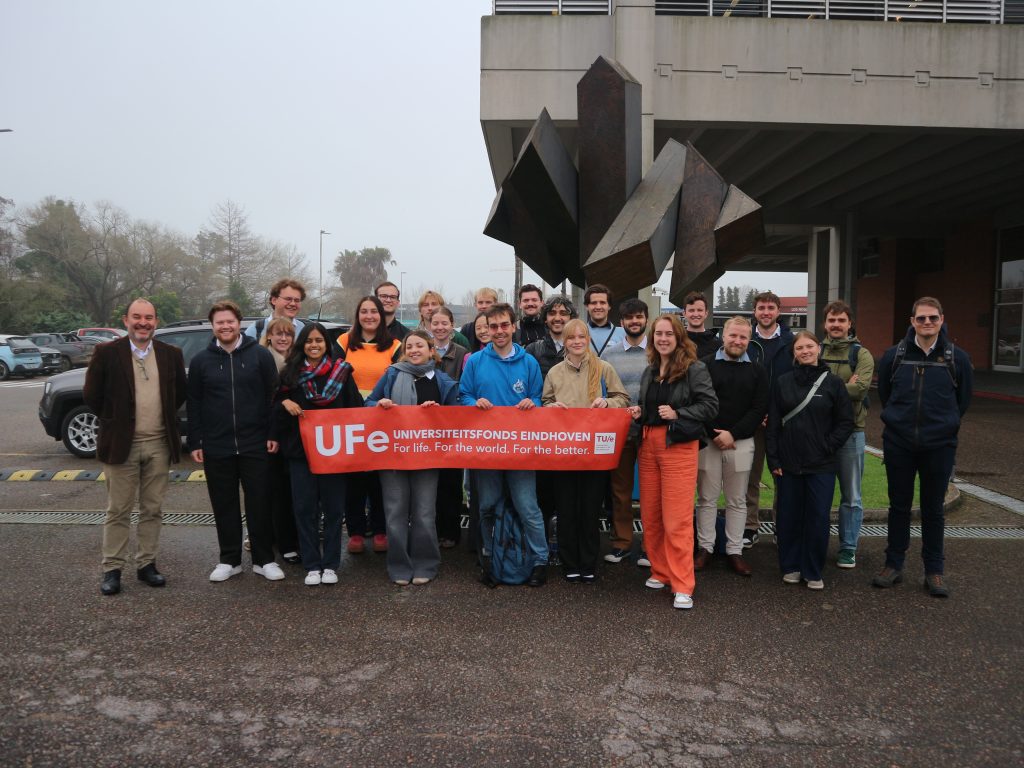
Today was a special day, it started off with the last educational visit of the entire trip. The last educational visit was towards the Laboratorio Tecnológico del Uruguay (LATU). This is an R&D institute that does curiosity- and innovation-driven research. The day started off with some public transport troubles, however upon arrival, everyone was warmly welcomed by the staff. What needs to be mentioned about Uruguay is that it is a pretty big country for the amount of inhabitants, namely only 3.5 million people live here and it is one of the biggest exporters of food and food-related items in the world. Here, one can also see that there is a lot of agriculture and a fun fact is that the human to cow ratio is 3.6 cows to 1 human, just as the human to sheep ratio is 2 sheeps per 1 human. Thus, in Uruguay research into agriculture and following the regulations set by the government is very important. Back to the visit, the group was introduced to the work that is done at LATU and was able to ask some more deepening questions. Then, the group got a tour through four of the laboratory facilities.
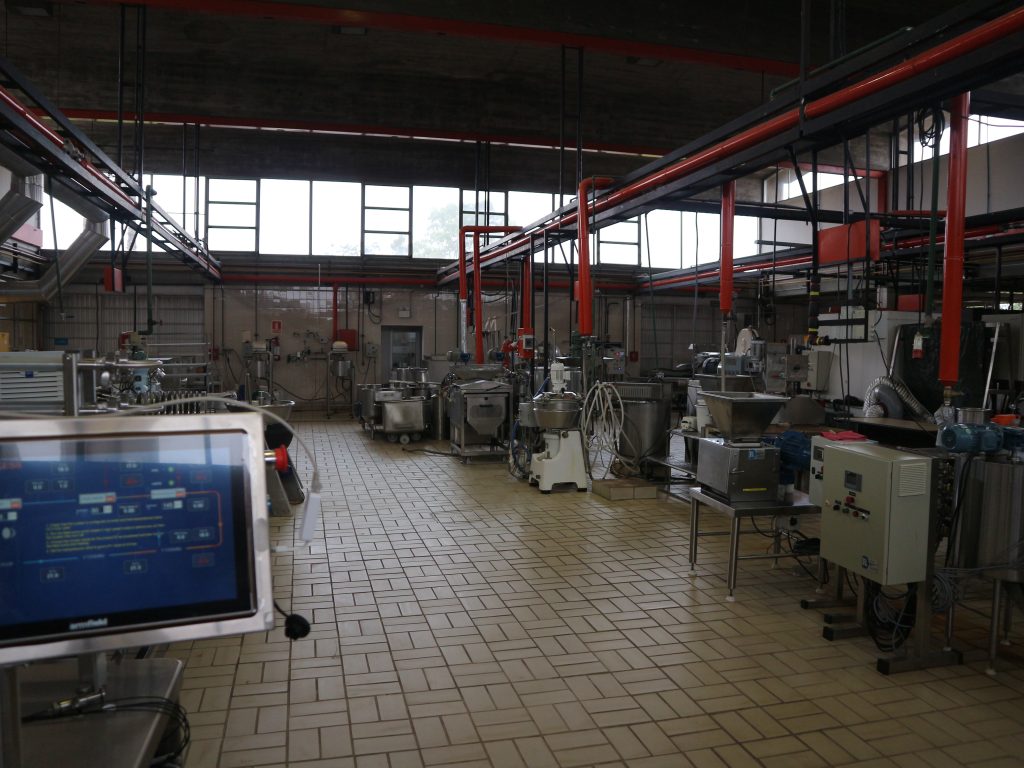
The first of which is a pilot plant. What made this plant special is that it is used for measuring if food was up to the regulatory standards. Here, they had several machines to also make some products themselves, namely cheese, but also other devices to test products, such as milk powder, milk itself or other derivates of lactose holding products. This made the plant special as for chemistry students, this had not been seen before on the trip and shows the extensive process of approving food-related items.
The second facility was a facility to test rice. Not only is rice an integral part of the export of Uruguay but here LATU was investigating whether rice can become a part of other applications. Several machines were seen here, however what was striking was that LATU had calculated the glass transition temperature of rice. Thus, they calculated that to optimally dry the rice (not cook it) it had to be done below the glass transition temperature. This was of course done to create the optimal environments for testing and actually performing the research.
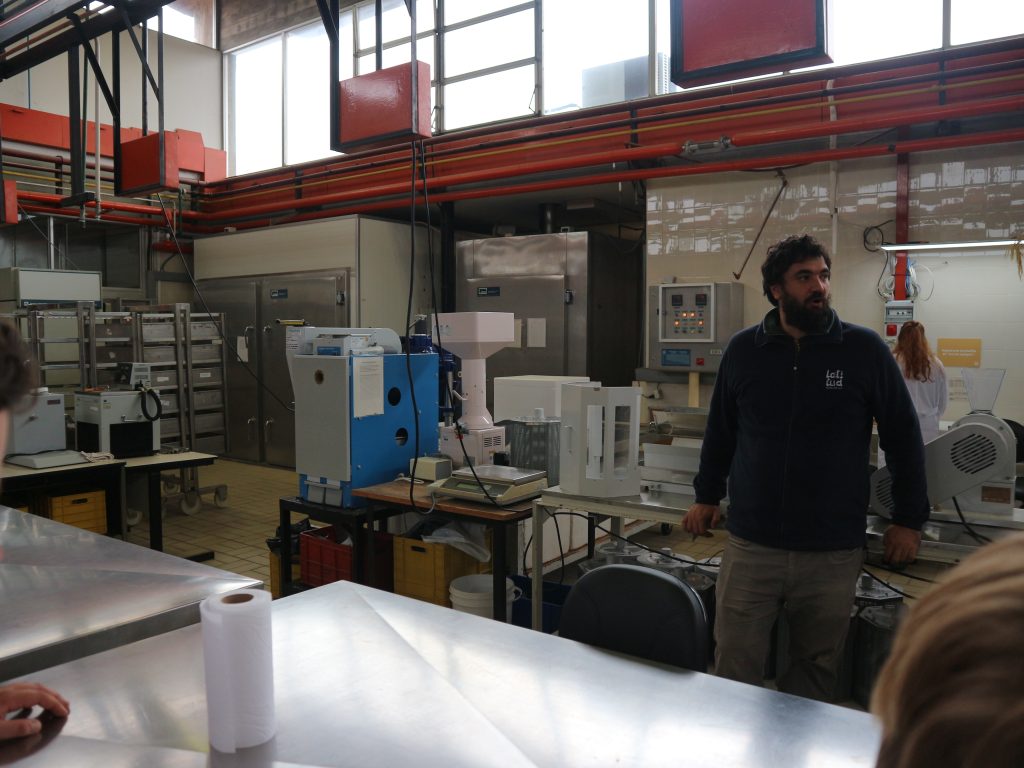
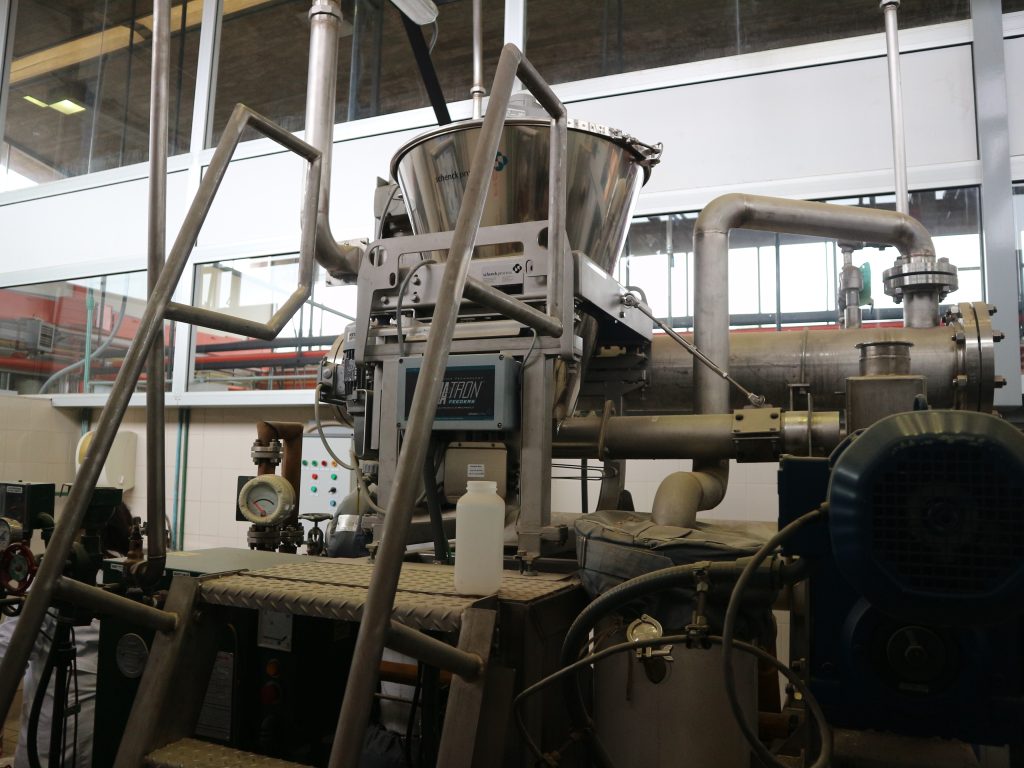
The next facility was a part of the research into paper and pulp. Here LATU have made great strides in replacing concrete and cement (two of the most polluting materials in the world) and instead using wood as sustainable and durable building materials. LATU was also investigating whether certain parts of the makeup of concrete could be replaced by less polluting or even sustainable materials.
The final laboratory was the fermentation plant. Here they grew their own cultures and investigated in reactors what the changes to the fermentation process were for different cultures and what those effects are.
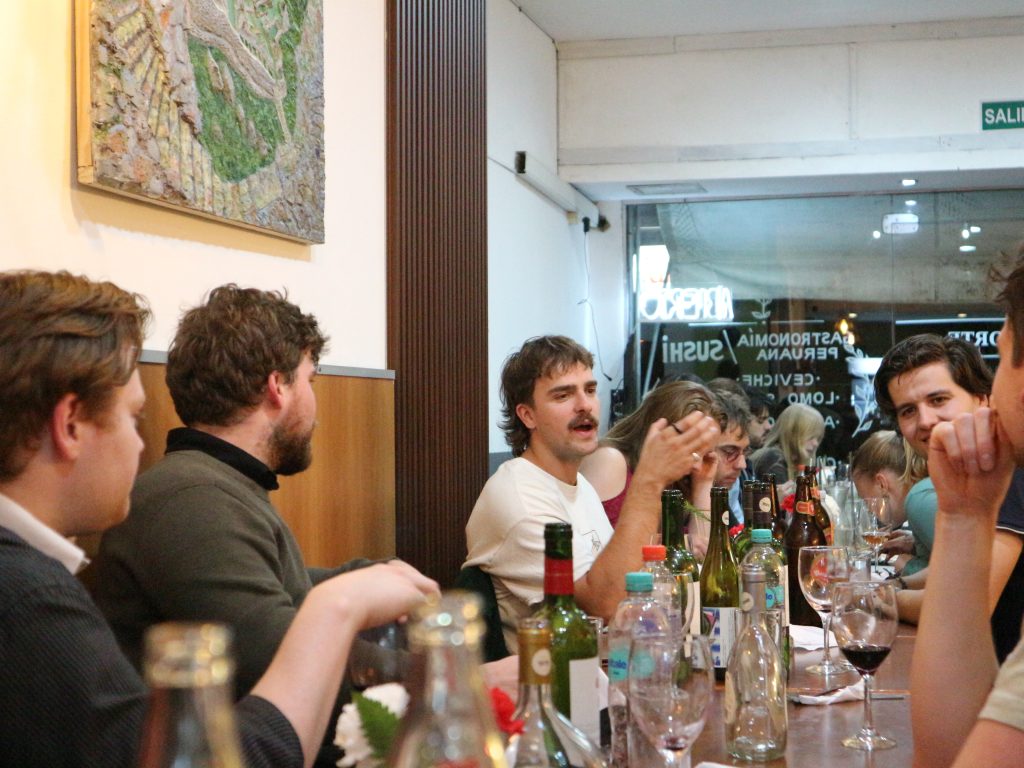
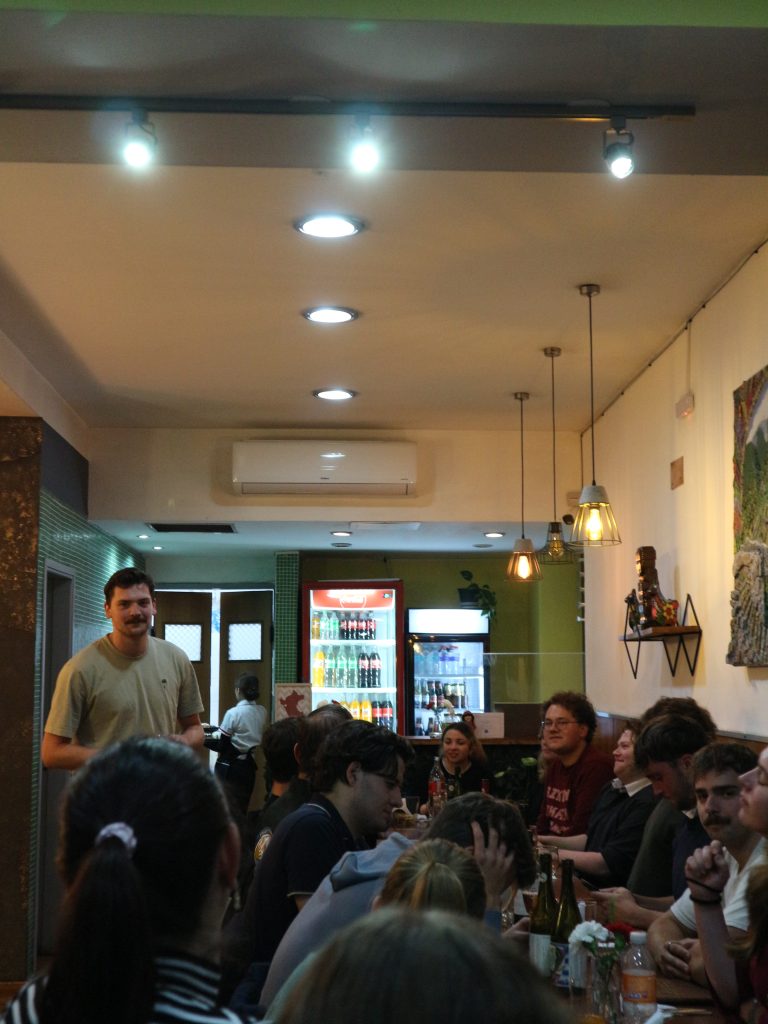
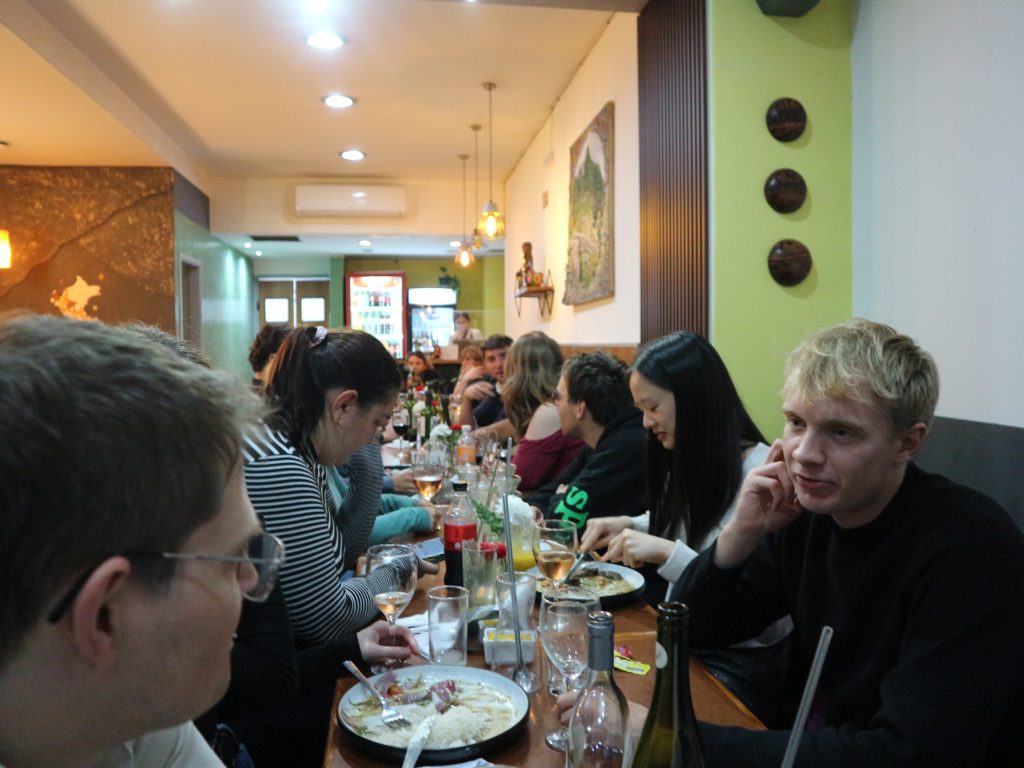
Afterwards, the group had some free time to do their own thing. Some students went to musea or to the Estadio Centenario (the only stadium that FIFA has granted the designation of Historical Monument of World Footbal) and yet other students took a well-deserved nap. However, the official program was not yet done, for in the evening the final communal dinner of the entire tour would take place. The committee had chosen a sushi restaurant to go to, and the students and professor could enjoy a wide variety of fish, meat and vegetarian options. Here, a lot of speeches and final words were exchanged and the organising party, the professor and other notable people in the preparation of the study tour were thanked for all their involvement, time, dedication and hard-work.
After the final dinner, and perhaps with a craving for some more fun, some students went out into the city with a couple of students from the engineering department of Udelar, which they met the day before, whilst others enjoyed their time playing pool with a nice beer back at the hostel until late into the night.