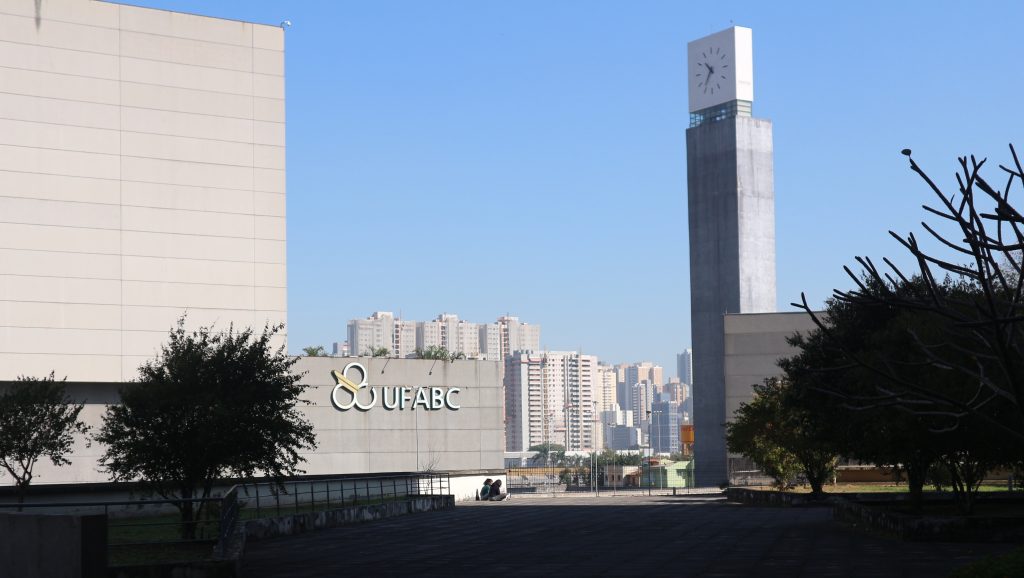
Today we again had an early wakeup call, taking the bus at 7:45 towards the federal university of ABC (UFABC). For some of us, this was a bit of a struggle, as we’d had quite a few drinks the night before. After a fairly long bus ride due to high amounts of traffic, we arrived at UFABC, the university serving three municipalities in the São Paulo metropolitan area: Santo Andre, Sao Bernardo do campo, and Sao Caetano de Sul, hence the name ABC. During the usual introductory presentation given by the director of the chemistry department, we learned that the UFABC is a very young university, being only recently founded in 2006. Furthermore, the UFABC is not your typical university as we know from Eindhoven, but handles a heavy focus on interdisciplinary learning after general admission.
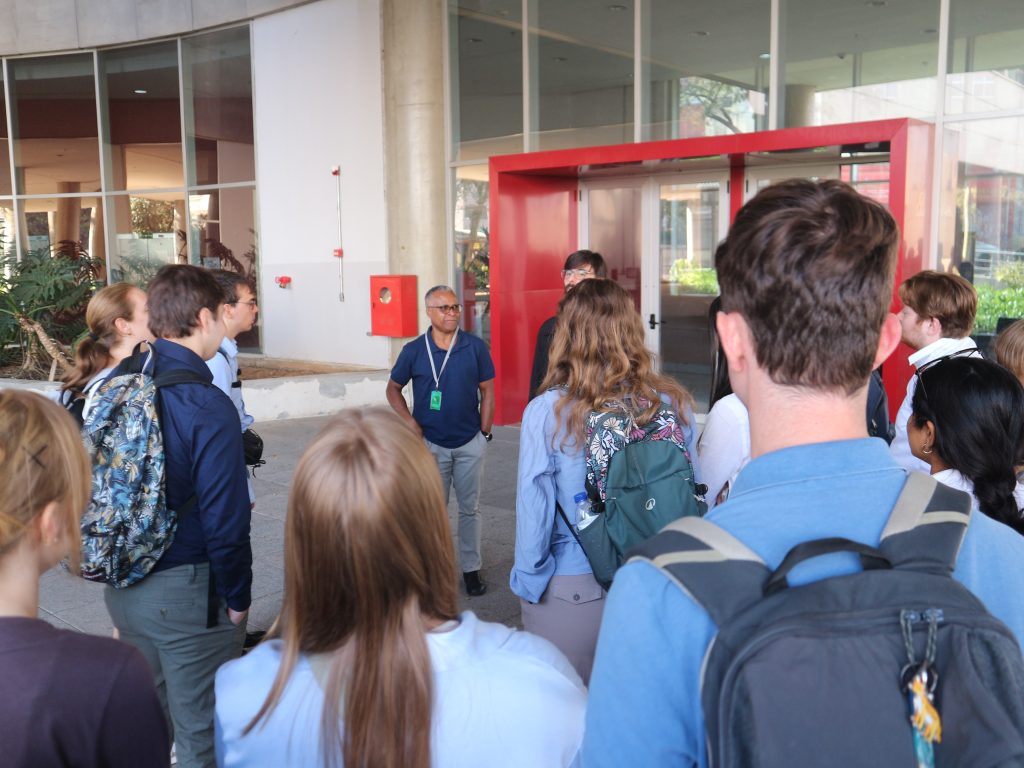
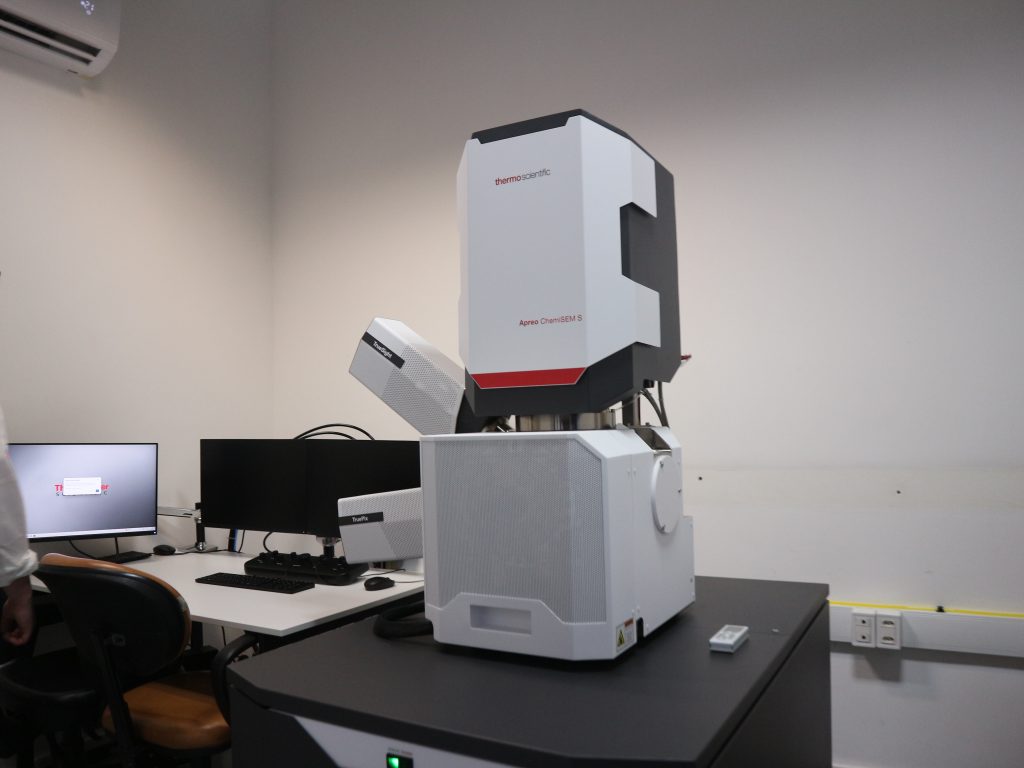
After this presentation, we were given a tour of several laboratories. The labs looked very impressive, probably because everything is still relatively new. The highlight was a brand-new cryogenic-TEM, housed in a separate soundproof room hidden in the cellar of one of the buildings. To wrap up the visit, we met some of the students and enjoyed some delicious Brazilian snacks (of course including the famous Pão de Queijo) while chatting with them about student life and their experiences at the university. One interesting thing worth mentioning is that, as at many Brazilian universities, students can choose whether to attend classes in the morning or the evening. This is because many of them work full-time during the day and therefore aren’t able to attend daytime classes.
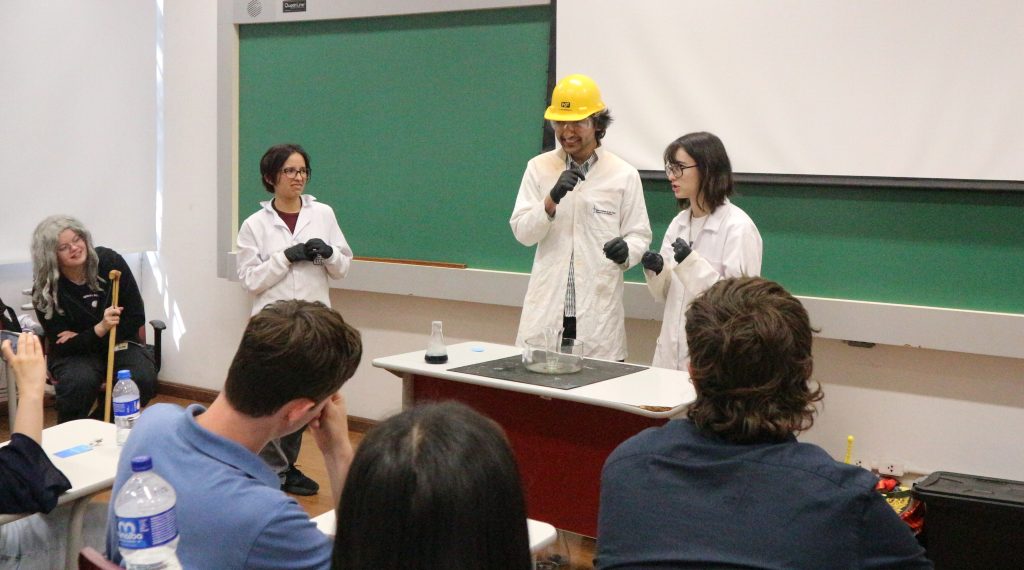
With the morning program finished, it was time to head to our second stop of the day: the University of São Paulo (USP). Reason for calling it the University of São Paulo is because it is by far the largest university in the country and is widely regarded as the best university in Brazil. Our first stop of USP was a rather different one than other universities. Instead of the usual introductory talk, we were treated to a chemistry show. Performed by a group of USP students, it combined plenty of humor with a variety of chemistry demonstrations related to our 5 senses. They normally present the show in Portuguese for high school students, but they had translated it into English especially for us. While the chemistry itself was fairly straightforward for us, the performance was genuinely funny, and it was great to see them present science in such an engaging way.
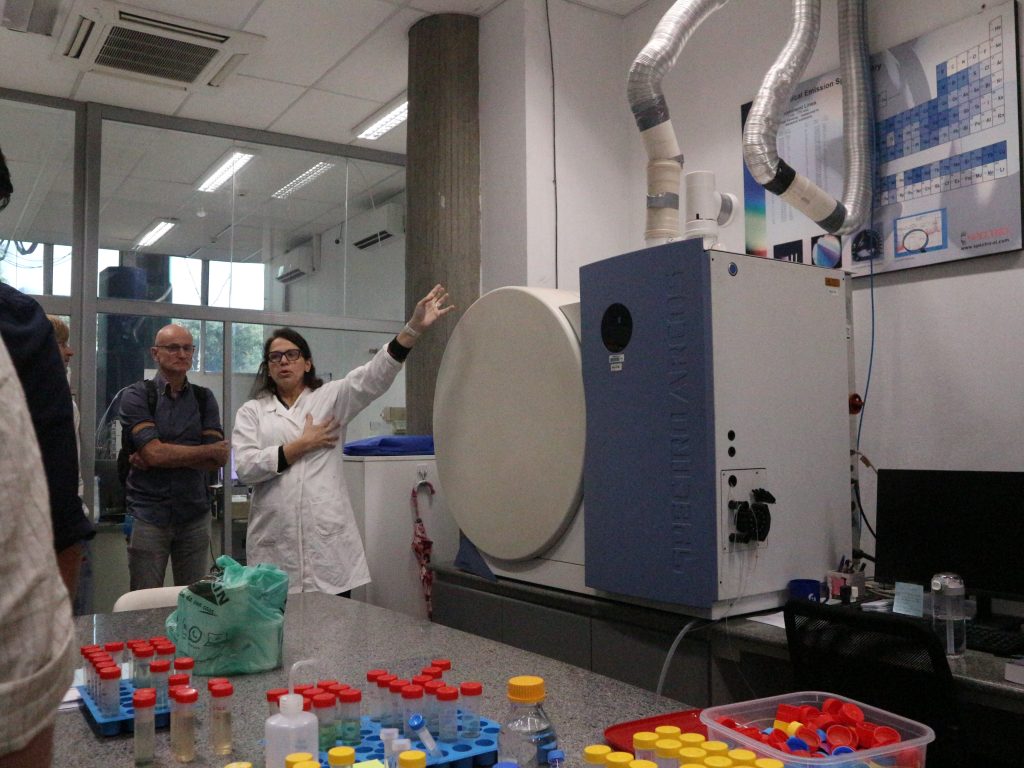
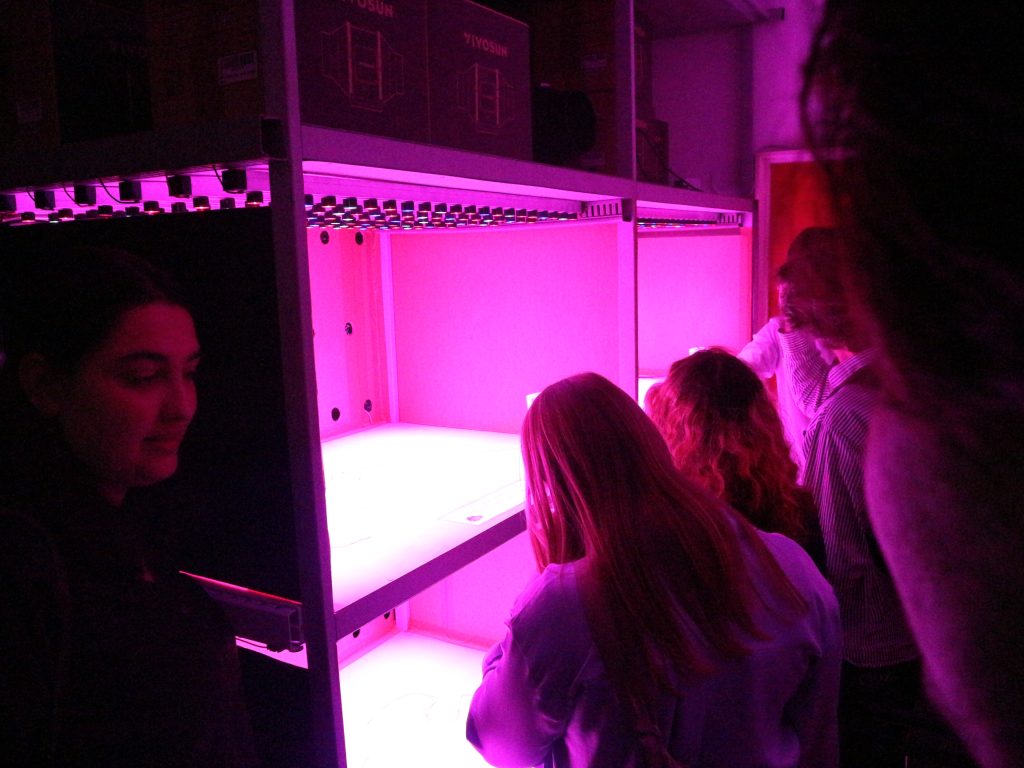
A quick greeting of the dean later, we were shown around the chemistry department, combining analytical and biochemical research. We were shown around their analytical laboratories, and once again the facilities were very impressive. They had, for example, an 800 MHz NMR spectrometer, a brand-new X-ray diffractometer (XRD), and plenty of other fascinating (and very expensive) pieces of chemistry equipment. We also visited a plant research lab, where they showed us a small homemade clinostat that simulates weightlessness, allowing researchers to study how plants might grow in space. Very impressively, our guiding professor told us that a high school classmate of his son had designed this device in such a simple manner that, instead of spending a lot of money on buying it, they could buy a simple motor and make most parts inhouse with their 3D printer, simulating the same effect. Lastly, we were shown their growth room, where they use blue, red and white light to simulate growing conditions for plants. This room however gave an interesting optical illusion effect, as the human eye compensates for the lack of green color in the room, making everything look green the moment you left the room.
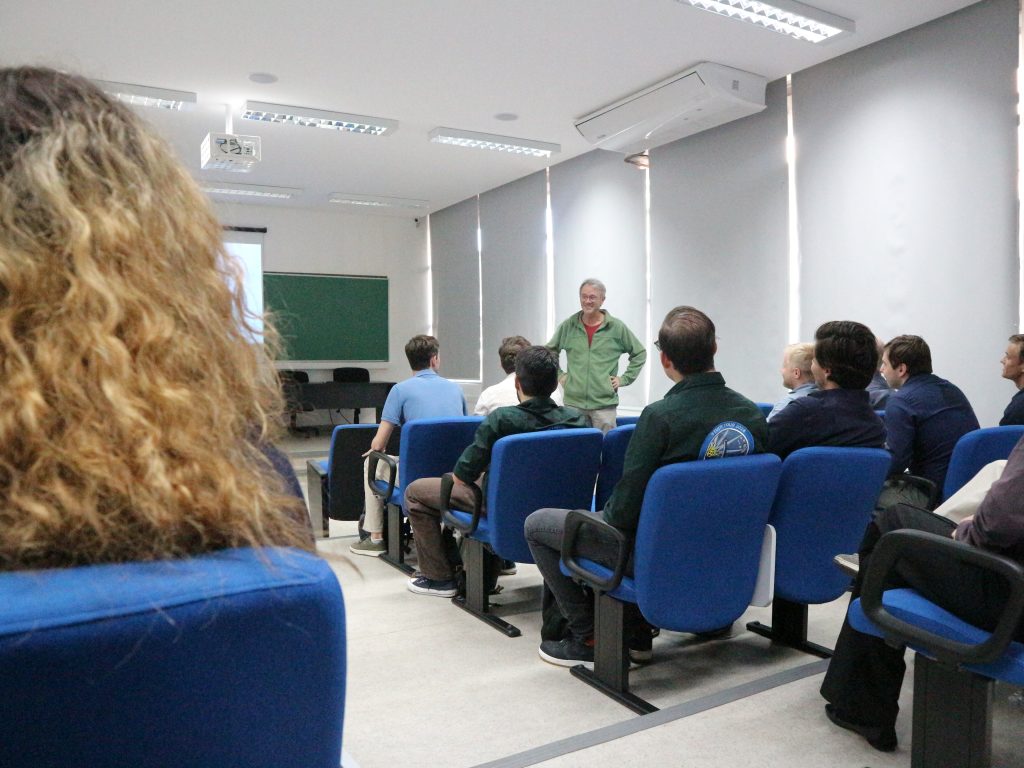
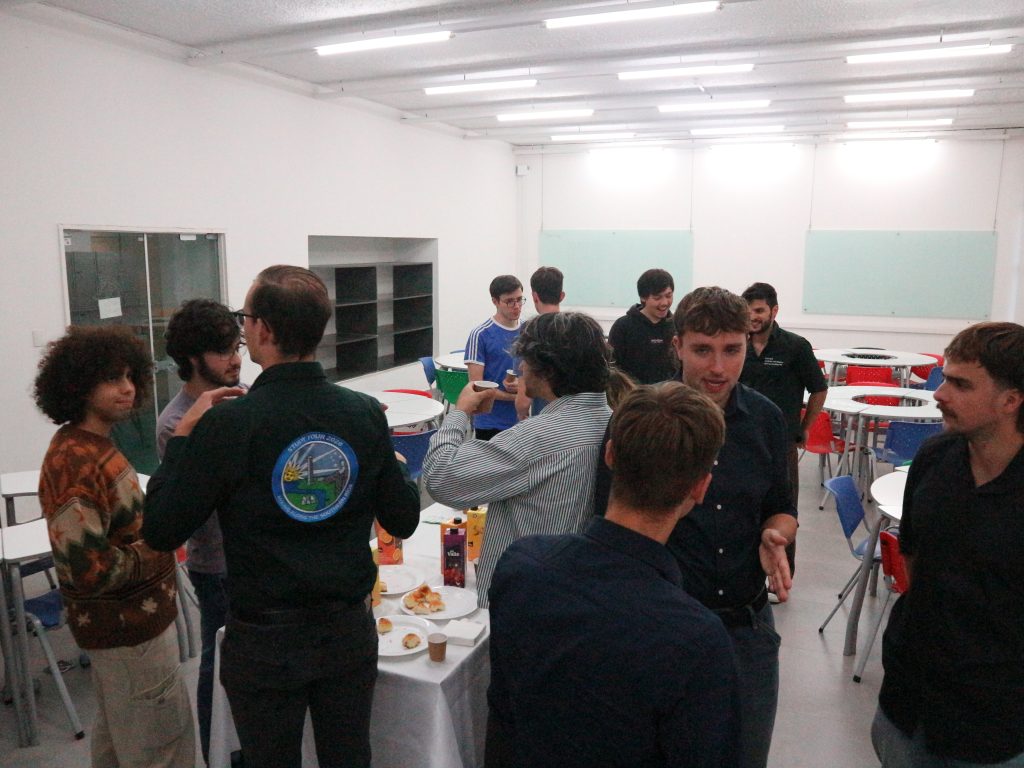
Concluding our visit to the Chemistry Deparment at USP, we also had a second visit scheduled at the Department of Chemical Engineering. There, we first received a short introduction from a professor who, to our surprise, spoke Dutch remarkably well. It turned out he had lived in Delft (ieuw) for seven years. Instead of a third lab tour, we were then invited to a social gathering with the department’s students, who had just finished an exam. Although the drinks were non-alcoholic, there was certainly no shortage of snacks, with the tables again remarkably filled with delicious baked goods. It was a very enjoyable way to end the day, as we again had the opportunity to chat with the students about all sorts of topics and were also shown around their student common room, where we left behind a few small souvenirs.
After a short busride we arrived back at the hotel, with a saturated mind and a filled stomach. Tomorrow, the alarm luckily goes a bit later, but we have some exciting company visits planned!